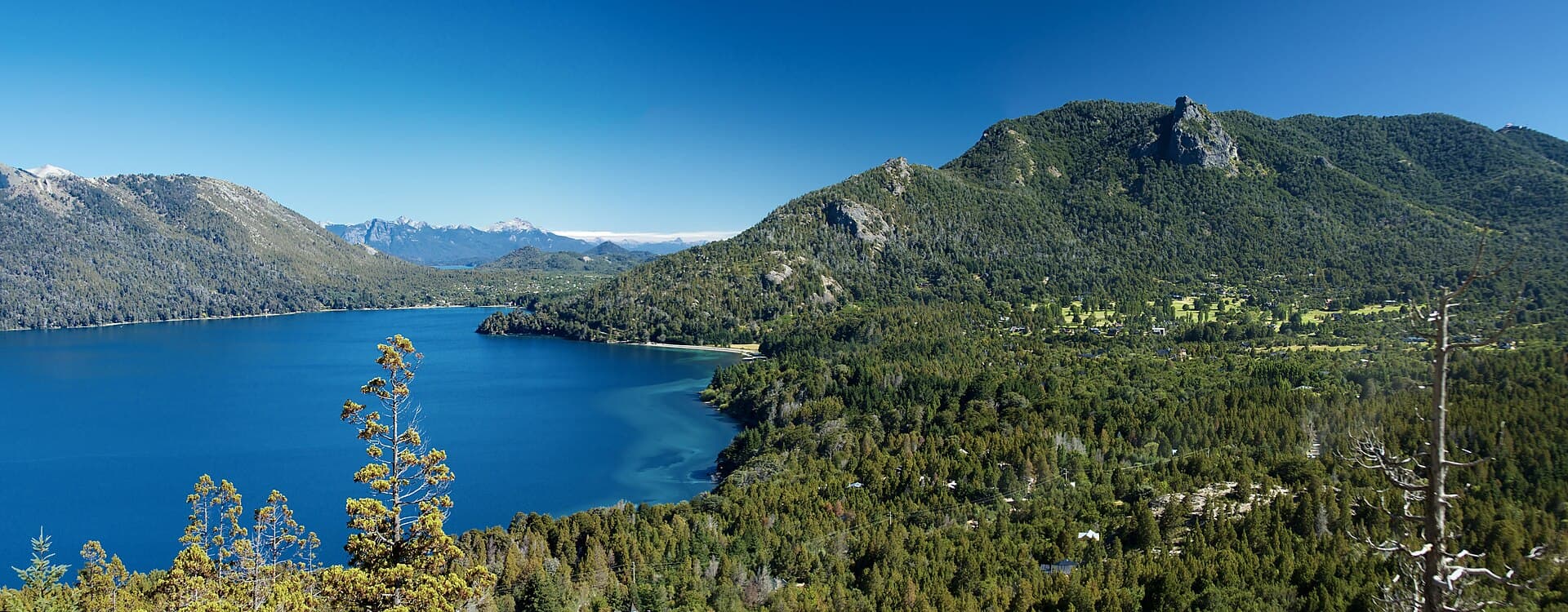
Places to stay in Bariloche
The capital of the lakes: Cerro Catedral, the Circuito Chico and the country's best chocolate.
San Carlos de Bariloche is the gateway to the Andean Lakes corridor. Winter belongs to Cerro Catedral — the largest ski resort in South America — and summer to the lakes: Nahuel Huapi, Gutiérrez and Mascardi, all less than half an hour from the centre.
Choose your area to match your plan: downtown to walk everywhere and go out for dinner, Avenida Bustillo (km 1 to 25) for lake views and quiet, and the Catedral area if you're here to ski. In high season — July, and December through February — book ahead: the town fills up well beyond what's listed online.
Licensed places to stay in Bariloche
Search with dates →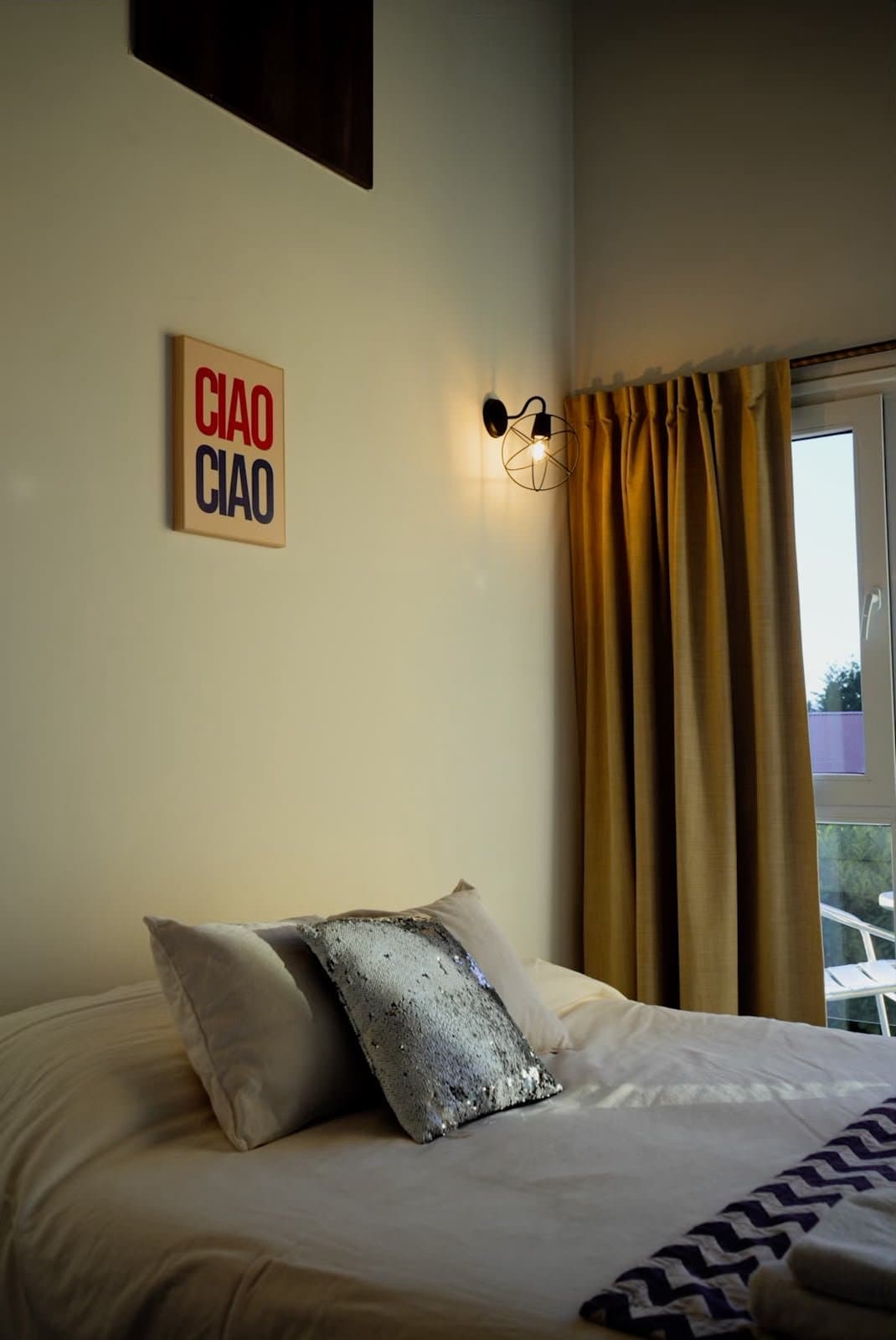
What “licensed” means on Aoni
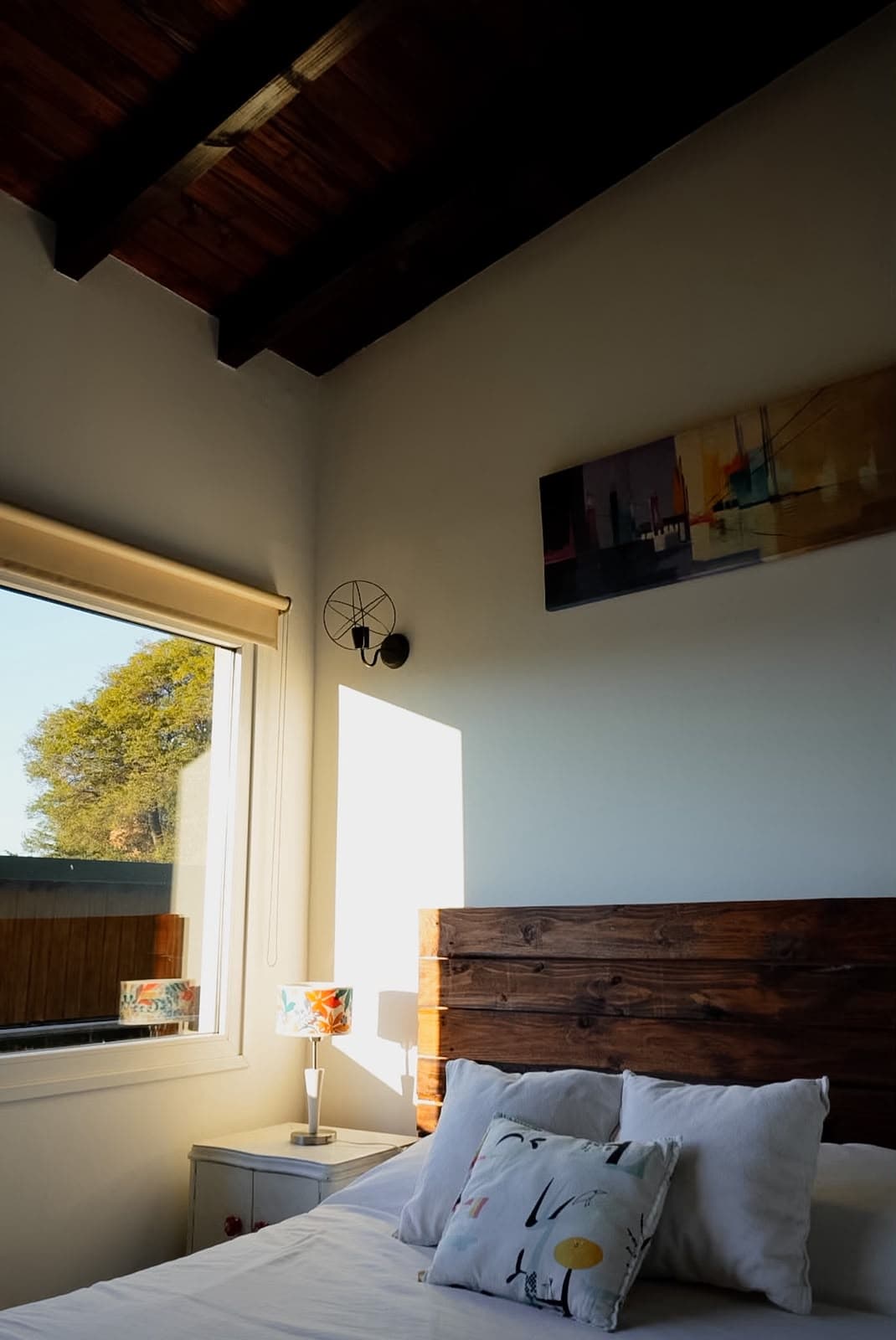
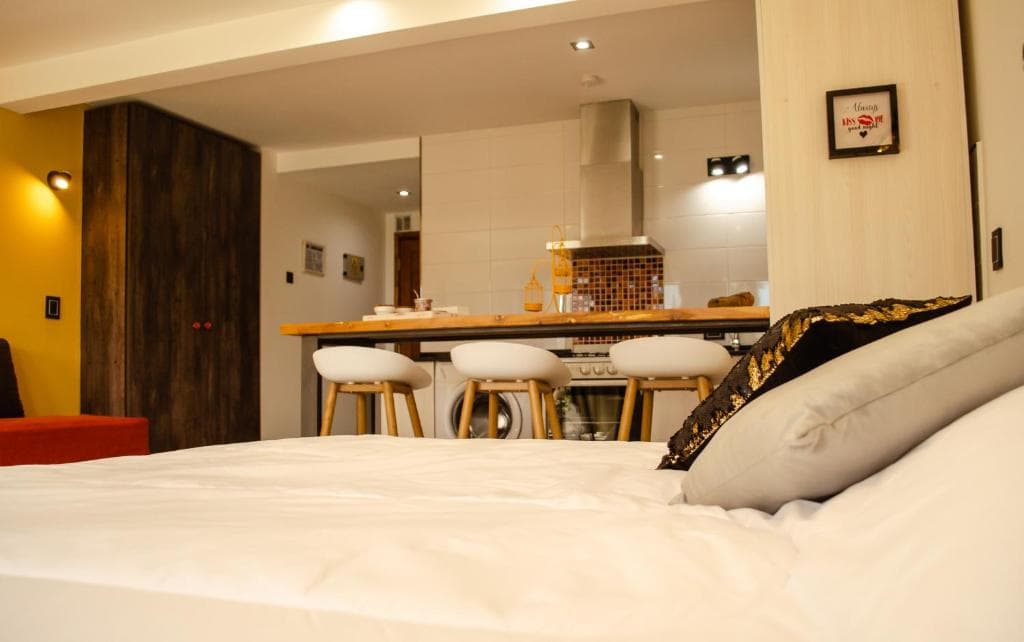
On Aoni, only places to stay with a valid tourist accommodation licence are listed. The host uploads it, someone on the team checks it by hand and, until it's approved, the place can't be listed.
Licences expire, and the system keeps track: thirty days before, it notifies the host and, if the licence lapses without being renewed, the listing comes down until it is. So every place listed in Bariloche has its licence up to date, not just the one it had on the day it joined.
Where to stay in Bariloche, area by area
Bariloche stretches along the lake, and the area you choose makes a big difference to your stay.
- Downtown: to get around on foot, eat out and have the civic centre, the chocolate shops and the tours leaving from town close at hand.
- Avenida Bustillo: the lakeside road heading west, with lake views and more quiet. Melipal lies along it, about 4 km from downtown, at the foot of Cerro Otto.
- Circuito Chico and Llao Llao: postcard Bariloche, further from downtown; a car makes it easier.
- The Cerro Catedral area: the natural base if you're coming to ski.
- Dina Huapi, 15 km away: not a Bariloche neighbourhood but a municipality of its own, quieter and close to the airport.
When to go
In winter, Cerro Catedral takes centre stage; in summer, the lakes —Nahuel Huapi, Gutiérrez, Mascardi— and the Circuito Chico.
July, with the Argentine winter holidays, and December to February are the busiest months: if you're travelling then, book ahead. In autumn and spring there's more to choose from.
Getting there
By air, to Bariloche airport, which is also the closest one for Dina Huapi and Villa La Angostura.
By road, from the north and the south along National Route 40; from Neuquén, along Route 237; and from Chile, through the Cardenal Samoré crossing and Route 231, via Villa La Angostura. Before you set off, check the conditions: the site shows every road section and border crossing with its source and the time of the latest reading.
Route 40 and Seven Lakes today →Route 237 today →Cardenal Samoré pass today →All roads and passes today →
Bariloche: frequently asked questions
Are the places to stay on Aoni in Bariloche licensed?
Yes. They're only listed with a tourist accommodation licence approved by the team, and if it expires, the listing comes down until it's renewed.
Is Dina Huapi part of Bariloche?
No. It has been a municipality of its own in Río Negro since 2008, 15 km from downtown Bariloche along National Route 40. Dina Huapi or Bariloche? →
How long does it take from Bariloche to Villa La Angostura and to San Martín de los Andes?
To Villa La Angostura, around 1 h 15 by car; to San Martín de los Andes, about 3 hours along the Seven Lakes Road. Bariloche or Villa La Angostura? →
How do I know if a road is closed or if the pass to Chile is open?
In “Roads and passes”: every road section and border crossing with what Vialidad Nacional and Pasos Internacionales report, and the time of the latest reading. Roads and passes today →
Do I need a car in Bariloche?
Not for downtown: you can walk it, and the tours leave from there. For the Circuito Chico, the lakes and the mountains, a car gives you more freedom.